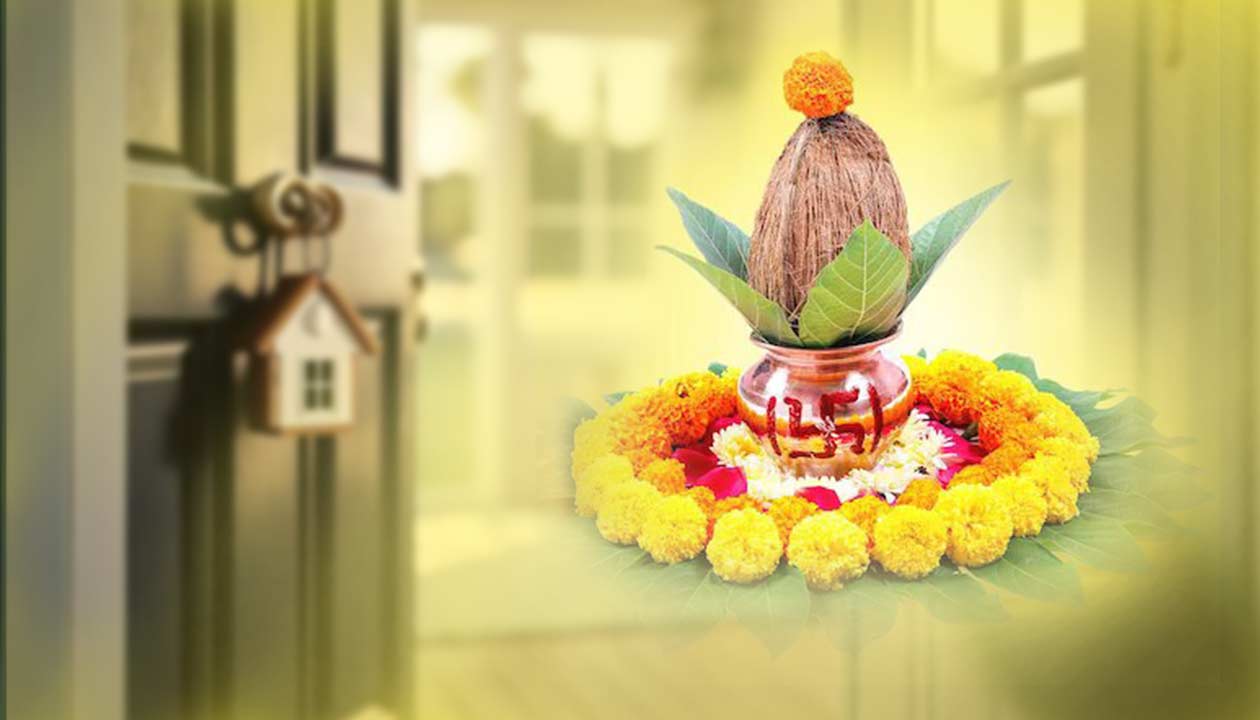
Griha Pravesh Puja in Varanasi Pandit & Ritual Guide , Are you ready to step into your new home with divine blessings? The Griha Pravesh puja isn’t just about entering a house—it’s about inviting positive energy, prosperity, and divine protection into what will become your sanctuary. And what better place to perform this sacred ceremony than in Varanasi, the spiritual heart of India? Let’s walk through everything you need to know about performing this auspicious ceremony in the holy city.
What Is Griha Pravesh Puja?
Griha Pravesh Puja in Varanasi Pandit & Ritual Guide , Think of Griha Pravesh as the spiritual inauguration of your home. It’s the moment when a mere structure transforms into a sacred dwelling filled with divine presence.
Understanding the Sacred Housewarming Ceremony
Griha Pravesh Puja in Varanasi Pandit & Ritual Guide , Griha Pravesh literally translates to “entering the house.” This ancient Vedic ceremony marks the first entry into a newly constructed or renovated home. It’s one of the sixteen major samskaras in Hindu tradition and is considered essential before actually living in a new space. The ceremony purifies the home, removes negative energies, and invites divine blessings for prosperity, health, and happiness.
Spiritual Significance in Hindu Culture
Why all the ceremony, you might wonder? According to Hindu philosophy, every space carries energy. Construction activities can disturb the natural balance, and moving into an unpurified home might invite negative influences. The Griha Pravesh puja recalibrates this energy, aligning your home with positive cosmic forces. It’s like spiritually cleansing your home before you fill it with your life, dreams, and memories. This ceremony also seeks blessings from deities, ancestors, and the five elements, ensuring that your household thrives in harmony.
Why Perform Griha Pravesh in Varanasi?
You could perform Griha Pravesh anywhere, but doing it in Varanasi adds an extraordinary dimension to the ceremony.
The Spiritual Power of Kashi
Varanasi, also known as Kashi, is believed to be the abode of Lord Shiva himself. The city has been a spiritual beacon for thousands of years, and its very atmosphere vibrates with divine energy. When you perform any ritual in Varanasi, it’s believed that the blessings are amplified manifold. The ancient scriptures mention that ceremonies conducted in Kashi yield fruits that last for seven generations!
Blessings from the Holy City
The presence of the sacred Ganges, countless temples, and the accumulated spiritual merit of millions of devotees over millennia create an unparalleled spiritual ecosystem. Performing your Griha Pravesh here means your home receives blessings not just from the pandit performing the ritual, but from the entire spiritual fabric of this eternal city. Many families believe that homes blessed in Varanasi become sanctuaries of peace, prosperity, and spiritual growth.
Types of Griha Pravesh Ceremonies
Not all Griha Pravesh ceremonies are the same. Understanding the different types helps you choose the right one for your situation.
Apoorva Griha Pravesh
This is performed when entering a completely new house built from scratch. “Apoorva” means unprecedented or first-time. This is the most elaborate form of Griha Pravesh and involves extensive rituals to consecrate every aspect of the new construction. If you’ve just built your dream home from the ground up, this is the ceremony you’ll need. It requires specific rituals to awaken the spiritual consciousness of the structure.
Sapoorva Griha Pravesh
“Sapoorva” means with history or precedent. This ceremony is performed when you’re moving back into a home after renovation or reconstruction. Maybe you’ve added rooms, completely renovated the interiors, or rebuilt significant portions. The rituals acknowledge that the space has existing energy while purifying and updating it for your renewed occupancy. It’s slightly less elaborate than Apoorva but equally important.
Dwandwah Griha Pravesh
This applies when you’re moving into a pre-owned or previously inhabited home. “Dwandwah” recognizes the dual nature—the home has a past, but you’re creating a new beginning. This ceremony focuses on clearing residual energies from previous occupants while inviting fresh, positive vibrations aligned with your family. It’s particularly important because you’re essentially doing an energetic reset of the space.
Best Time for Griha Pravesh Puja
Timing is everything in Vedic rituals, and Griha Pravesh is no exception.
Auspicious Months According to Hindu Calendar
Certain months are considered particularly favorable for Griha Pravesh. Chaitra (March-April), Vaishakha (April-May), Jyeshtha (May-June), and Margashirsha (November-December) are traditionally preferred. Ashwin (September-October) and Kartik (October-November) are also excellent choices. Avoid months like Ashadha, Bhadrapada, and Pausha, which are generally considered less favorable for new beginnings. However, these are general guidelines—your specific circumstances might vary.
Muhurat Selection
The muhurat is the auspicious time window calculated based on planetary positions, lunar phases, and astrological considerations. A proper muhurat ensures that cosmic energies align favorably during your ceremony. Most families consult an experienced astrologer or pandit who analyzes the family’s birth charts, the house’s orientation, and current planetary positions to determine the most auspicious date and time.
Nakshatra and Tithi Considerations
Specific nakshatras (lunar mansions) like Ashwini, Rohini, Mrigashira, Pushya, Hasta, Uttara Phalguni, Uttara Ashadha, and Uttara Bhadrapada are considered highly favorable. Regarding tithis (lunar days), Dwitiya, Tritiya, Panchami, Saptami, Dashami, Ekadashi, and Trayodashi are generally preferred. Full moon days (Purnima) are especially auspicious. Avoid Amavasya (new moon), Rikta tithis, and inauspicious nakshatras. Trust me, investing time in proper muhurat selection sets a positive foundation for your home’s energy.
Cost of Griha Pravesh Puja in Varanasi
Let’s talk about the practical side—how much should you budget for this ceremony?
Pandit Fees and Dakshina
Pandit fees in Varanasi typically range from ₹3,000 to ₹11,000, depending on the ceremony’s complexity and the pandit’s experience. For a comprehensive Griha Pravesh with all traditional rituals, expect to pay between ₹5,000 to ₹15,000. Highly renowned pandits who specialize in Vedic rituals might charge up to ₹25,000. Beyond the base fee, dakshina (religious offering) of ₹1,100 to ₹5,100 is customary. Remember, you’re compensating someone for their years of Vedic scholarship and spiritual guidance.
Puja Materials and Offerings
The samagri (ritual materials) cost depends on whether you purchase items individually or opt for a complete puja kit. Expect to spend ₹2,000 to ₹8,000 on materials including flowers, fruits, grains, ghee, camphor, incense, sacred threads, havan wood, and specific herbs. If you’re conducting an elaborate havan (fire ceremony), add another ₹1,000 to ₹3,000 for additional materials. Many pandits can arrange the samagri for you at reasonable prices.
Additional Expenses
Consider other costs like cow donation or go-daan (₹5,000-₹15,000), feeding Brahmins (₹2,000-₹10,000 depending on number), decorations for your home (₹3,000-₹20,000), photography/videography (₹5,000-₹25,000), and transportation for the pandit and materials. If family members are traveling to Varanasi, factor in their accommodation and meals. A traditional feast after the ceremony can cost ₹10,000-₹50,000 depending on the scale.
Budget Planning Tips
Want to keep costs reasonable without compromising on spiritual authenticity? Book your pandit directly rather than through intermediaries who add commission. Purchase puja materials from local markets in Varanasi rather than branded stores—you’ll save 30-40%. Choose a weekday instead of weekend when pandits might charge premium rates. Limit additional rituals to those truly meaningful to your family. A sincere, simpler ceremony holds as much spiritual value as an elaborate, expensive one.
How to Book a Pandit for Griha Pravesh
Finding the right pandit can make all the difference in your ceremony’s authenticity and meaningfulness.
Finding Qualified Pandits in Varanasi
The best references come from friends, family, or colleagues who’ve recently performed ceremonies in Varanasi. The Kashi Vishwanath Temple and other major temples maintain lists of qualified pandits. Many dharamshalas and spiritual organizations can connect you with authentic ritual specialists. Online platforms now offer verified pandit booking services, but always check credentials and reviews. Local Brahmin associations in Varanasi are also excellent resources for recommendations.
What to Look for in a Pandit
A qualified pandit should have thorough knowledge of Vedic scriptures and rituals, clear communication skills to explain each step in a language you understand, punctuality and professional conduct, patience and respect for your family’s specific traditions, and proper pronunciation of Sanskrit mantras. They should also be flexible enough to adapt rituals to your time constraints while maintaining spiritual integrity. Watch out for pandits who rush through ceremonies or seem more interested in upselling additional rituals than understanding your needs.
Important Questions to Ask
Before finalizing your booking, ask these crucial questions: How many years of experience do they have specifically with Griha Pravesh ceremonies? What rituals are included in their standard package? How long will the complete ceremony take? Do they provide samagri or must you arrange it separately? Can they explain the significance of each ritual in your preferred language? What’s their fee structure and what does it include? Do they have references from previous clients? Are they available for a preliminary consultation to discuss your specific requirements?
Complete Griha Pravesh Ritual Process
Understanding the ceremony flow helps you participate more meaningfully and prepare better.
Pre-Puja Preparations
Begin preparations at least a week in advance. Clean your home thoroughly—every corner, every room. This isn’t just physical cleaning; it’s the first step in energetic purification. Repair any broken items, fix leaks, and ensure everything is in working order. Paint or whitewash if needed. Two days before, start gathering puja materials. The night before, prepare a sacred space for the ceremony, typically near the main entrance or in the puja room. Apply fresh cow dung paste in the puja area if following traditional practices. Decorate with rangoli, flowers, and mango leaves. Keep new clothes ready for family members.
Step-by-Step Ceremony Guide
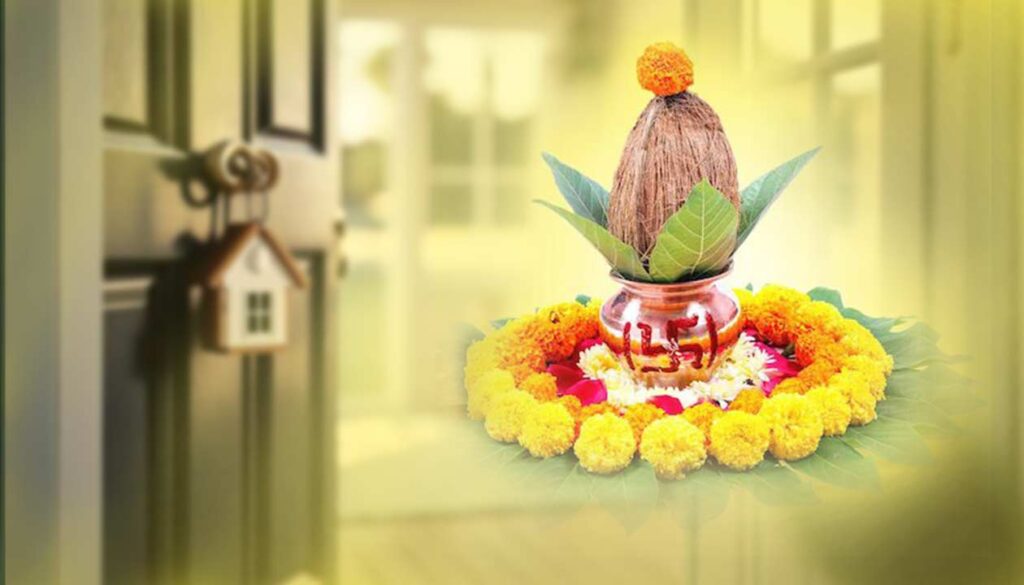
The ceremony begins with Ganesh Puja, invoking Lord Ganesha to remove all obstacles. This is followed by Kalash Sthapana, where a sacred pot filled with water, coconut, mango leaves, and grains is established, representing the presence of deities. The pandit then performs Vastu Puja, worshipping the Vastu Purusha (deity of directions and architecture) to ensure harmony between your home and cosmic energies.
Next comes the main havan or fire ceremony, where offerings are made into the sacred fire while chanting specific mantras. This purifies the atmosphere and invokes divine blessings. The family offers prayers to various deities, ancestors, and the five elements. The most important moment arrives when the lady of the house, carrying a kalash of Ganga water and accompanied by family members, enters the home placing her right foot first. A cow is traditionally led into the home first, symbolizing purity and prosperity, though this step might be adapted based on practical constraints.
The puja continues with Navagraha Puja to appease the nine planetary deities, followed by lighting the first fire in the kitchen hearth and boiling milk until it overflows—a symbol of abundance. The ceremony concludes with aarti, distribution of prasad, and blessings from the pandit and elders.
Post-Puja Traditions
After the main ceremony, it’s customary to keep a continuous light or diya burning for at least 12 hours. The family usually stays in the home for the first night, though some traditions require spending the first night at the home without sleeping. Feed Brahmins and distribute food to the needy—this accumulates spiritual merit. Many families organize a small feast for relatives and friends who attended. Visit nearby temples to offer thanks, and in Varanasi, a visit to Kashi Vishwanath Temple is especially meaningful. Keep the atmosphere positive and avoid arguments or negative conversations for the first few days.
Essential Items Required for the Puja
Being well-prepared ensures the ceremony flows smoothly without last-minute scrambling.
Puja Samagri List
Here’s your comprehensive checklist: coconuts (at least 5), betel leaves and nuts, fruits (especially bananas, mangoes, and pomegranates), flowers (marigolds, roses, and lotus), rice (both raw and cooked), wheat and other grains, turmeric and kumkum, sandalwood paste, incense sticks and dhoop, camphor, ghee (at least 1 kg), sacred thread (moli), havan wood (samidha), specific herbs for havan (offered by the pandit), copper kalash, new earthen lamps, new utensils for the kitchen, new broom, new bed sheets and pillows, milk and milk products, sweets for prasad, and dakshina in envelopes.
Decorations and Arrangements
Transform your home into a festive, sacred space. Create beautiful rangoli designs at the entrance using colored powders or flower petals. Hang fresh mango leaves (torans) at doorways—they’re considered highly auspicious. String marigold garlands across entrances and windows. Place diyas at strategic points, especially at the main entrance and corners of rooms. Ensure adequate seating arrangements for the pandit and guests. Set up the havan kund safely away from flammable materials. Keep a fire extinguisher handy as a safety precaution. The puja area should be clean, well-lit, and accessible.
Vastu Considerations for Griha Pravesh
Vastu Shastra plays an important role in ensuring your home’s energy flow remains positive and balanced.
Directional Guidelines
According to Vastu principles, entering through the main door facing east or north is most auspicious. The puja room should ideally be in the northeast corner. Place heavy furniture in the southwest section of your home. The master bedroom works best in the southwest direction. Kitchen placement is optimal in the southeast corner, governed by the fire element. Keep the center of your home (Brahmasthan) open and uncluttered—it’s the energy center of your house. Water features or overhead tanks should be in the northeast. Avoid placing mirrors directly facing the main entrance.
Remedies for Vastu Doshas
What if your home doesn’t align perfectly with Vastu principles? Don’t worry—there are remedies. For incorrect entrance directions, place a Swastik or Om symbol at the threshold. If the kitchen is in the wrong direction, keep a bowl of sea salt to absorb negative energies and change it weekly. For toilets in inauspicious positions, keep them closed and well-ventilated, with purifying plants nearby. Place a pyramid or crystal in areas with Vastu defects. The Griha Pravesh ceremony itself includes specific rituals that address many Vastu concerns. A qualified pandit can suggest specific mantras and remedies tailored to your home’s unique challenges.
Special Rituals Performed in Varanasi
Performing Griha Pravesh in Varanasi allows you to incorporate special local traditions that enhance the ceremony’s spiritual potency.
Ganga Jal Significance
Using water from the holy Ganges in your Griha Pravesh ceremony is incredibly powerful. Collect fresh Ganga water on the morning of your ceremony or a day before. This sacred water is sprinkled throughout your home during purification rituals, mixed in the kalash during puja, and used for abhishekam of deities. Many families fill several bottles to use for future religious ceremonies. The Ganga water represents purity, divine blessings, and the flow of positive energy. It’s believed to neutralize negative energies and sanctify every corner it touches.
Local Traditions
In Varanasi, many families incorporate a visit to Kashi Vishwanath Temple before or after the Griha Pravesh ceremony. Some perform a special puja at the Ganges ghats, seeking blessings from the river goddess. Local pandits often include specific mantras and rituals unique to the Kashi tradition, passed down through generations of Vedic scholars. Offering prayers at the Sankat Mochan Hanuman Temple is another popular tradition for removing obstacles from your new home. Distributing prasad at ghats and feeding the poor in Varanasi is considered especially meritorious, multiplying the positive karma from your ceremony.
Accommodation for Out-of-Town Families
If you’re traveling to Varanasi for your Griha Pravesh or if relatives are joining you, proper accommodation enhances everyone’s experience.
Varanasi offers accommodation for every budget. Budget options include dharamshalas and simple guesthouses at ₹500-₹1,500 per night, perfect for pilgrims and those on tight budgets. Mid-range hotels with decent amenities cost ₹2,000-₹5,000 per night. For those seeking comfort and luxury, heritage hotels along the Ganges offer spectacular views and excellent service at ₹8,000-₹25,000 per night. Many hotels offer special packages for families attending religious ceremonies, including transportation to temples and assistance in booking pandits.
Book well in advance, especially during festival seasons when Varanasi gets extremely crowded. Choose locations based on your convenience—staying closer to the Ganges and temples offers easier access to spiritual sites. Many homestays run by local Brahmin families provide an authentic experience and can even help arrange pandits and puja materials.
Common Mistakes to Avoid
Learning from others’ experiences helps you sidestep potential pitfalls.
Don’t rush into the ceremony without proper muhurat consultation. Performing Griha Pravesh at an inauspicious time can negate the benefits. Avoid cutting corners on the pandit’s credentials—this isn’t the place to compromise. Some families forget to inform the pandit about their specific regional traditions, leading to ceremonies that feel incomplete or unfamiliar. Never enter the home with shoes on during the ceremony—it’s considered highly disrespectful.
Avoid scheduling the ceremony when any family member is ill, in mourning, or during the monthly cycle for women, as traditional guidelines consider these periods inauspicious. Don’t forget to keep the home completely ready before the ceremony—finishing construction work afterward diminishes the puja’s effectiveness. Refrain from negative conversations, arguments, or inauspicious activities on the ceremony day. Many families regret not arranging proper documentation through photos and videos—these become precious family heirlooms.
Don’t underestimate the time required. Rushing through a sacred ceremony leaves everyone feeling unsatisfied. Finally, avoid excessive showiness that focuses more on impressing guests than on the spiritual sanctity of the occasion. Remember, this is about inviting divine blessings, not social competition.
Tips for a Successful Griha Pravesh Ceremony
Here are practical tips to ensure your ceremony is spiritually meaningful and smoothly executed.
Start planning at least a month in advance. This gives you time to find the right pandit, select an auspicious muhurat, arrange materials, and coordinate with family members. If possible, meet your pandit beforehand to discuss the ceremony format, clarify doubts, and ensure you’re both on the same page. Prepare a detailed timeline for the ceremony day, accounting for potential delays.
Keep children engaged with age-appropriate explanations of what’s happening. Let them participate in simple tasks like lighting diyas or offering flowers. This creates beautiful memories and instills cultural values. Ensure elderly family members have comfortable seating and that the ceremony space is accessible to everyone.
Stay hydrated and well-fed before the ceremony begins, especially if you’re fasting. Keep energy snacks handy. Maintain your focus on the spiritual significance rather than getting stressed about perfect execution. Even if something doesn’t go exactly as planned, your intention and devotion matter most.
Consider recording the mantras on your phone (with the pandit’s permission) so you can replay them later when doing regular pujas at home. Take time to truly absorb the moment when you first enter your home—this is a milestone you’ll remember forever.
After the ceremony, maintain positive energy in your home through regular prayers, keeping the space clean, and filling it with love, laughter, and harmony. The Griha Pravesh ceremony is just the beginning—how you live in the home daily determines whether those initial blessings flourish or fade.
Conclusion
The Griha Pravesh ceremony in Varanasi is more than a religious formality—it’s a sacred bridge between the material and spiritual realms, transforming your house into a divinely blessed home. By performing this ancient ritual in the holy city of Kashi, you’re tapping into thousands of years of accumulated spiritual energy, inviting blessings that ripple across generations. Whether you choose a simple ceremony or an elaborate one, what matters most is your devotion, intention, and respect for the tradition.
From selecting the perfect muhurat to finding an authentic pandit, from gathering the right materials to understanding each ritual’s significance, proper preparation ensures your ceremony becomes a memorable spiritual milestone. Varanasi, with its divine atmosphere and sacred Ganges, amplifies every prayer, every mantra, and every blessing, making your new home a sanctuary of peace, prosperity, and divine protection. So embrace this beautiful tradition wholeheartedly, and step into your new home with confidence, knowing that you’ve laid the strongest possible foundation—one blessed by the divine forces of the universe.
FAQs
1. Can we perform Griha Pravesh on weekends or does it have to be on a specific weekday?
The weekday itself isn’t as important as the muhurat (auspicious time). While traditionally certain days like Thursday, Wednesday, and Friday are considered more favorable, what truly matters is the overall planetary alignment, nakshatra, and tithi. Your pandit or astrologer will calculate the best date and time regardless of which weekday it falls on. That said, weekends are convenient for family gatherings, so if you find an auspicious muhurat falling on a weekend, that’s perfect! Just prioritize the astrological considerations over calendar convenience.
2. Is it necessary to stay in the house overnight after Griha Pravesh?
Traditional guidelines recommend spending the first night in your new home after Griha Pravesh, though not everyone follows this strictly. Some traditions suggest the family should sleep in the home that very night, while others say just spending a few hours is sufficient. The underlying principle is establishing your presence and energy in the space immediately after purification. If staying overnight isn’t practical due to incomplete furnishing or other constraints, at least spend several hours in the home after the ceremony, prepare and consume a meal there, and then return as soon as possible to make it your permanent residence.
3. What if we’ve already moved into the house before performing Griha Pravesh?
Ideally, Griha Pravesh should be performed before occupancy, but life doesn’t always follow ideal timelines. If you’ve already moved in due to circumstances, don’t worry—you can still perform the ceremony. Inform your pandit about this situation. They may suggest specific additional rituals to purify the space that’s already been occupied. The ceremony will still be effective in bringing positive energy and blessings to your home. Many families have successfully performed Griha Pravesh after already living in their homes for weeks or even months, with beneficial results.
4. Are there any dietary restrictions before or during Griha Pravesh?
Many families observe sattvic (pure vegetarian) diet for at least a day before the ceremony, avoiding onion, garlic, meat, eggs, and alcohol. Some traditions recommend fasting until the ceremony concludes, though this varies by family custom and health considerations. The focus should be on maintaining physical and mental purity. After the ceremony, the feast can include whatever your family tradition permits, though many prefer to keep it vegetarian for the auspicious occasion. Consult your pandit about specific dietary guidelines based on your regional and family traditions.
5. Can we perform Griha Pravesh for a rented house or apartment?
Absolutely! While traditionally associated with owned properties, Griha Pravesh can be performed for any space that will be your home, including rented apartments or houses. The ceremony’s purpose is to purify and bless the living space for you and your family, regardless of ownership status. You might opt for a simpler version without extensive structural blessings, focusing more on the purification of living spaces and inviting positive energy. Many young professionals and families living in rented accommodations perform this ceremony to ensure their living space is energetically positive and blessed. Just ensure you have your landlord’s permission for the ceremony, especially if it involves fire rituals.